Father Fish Aquarium
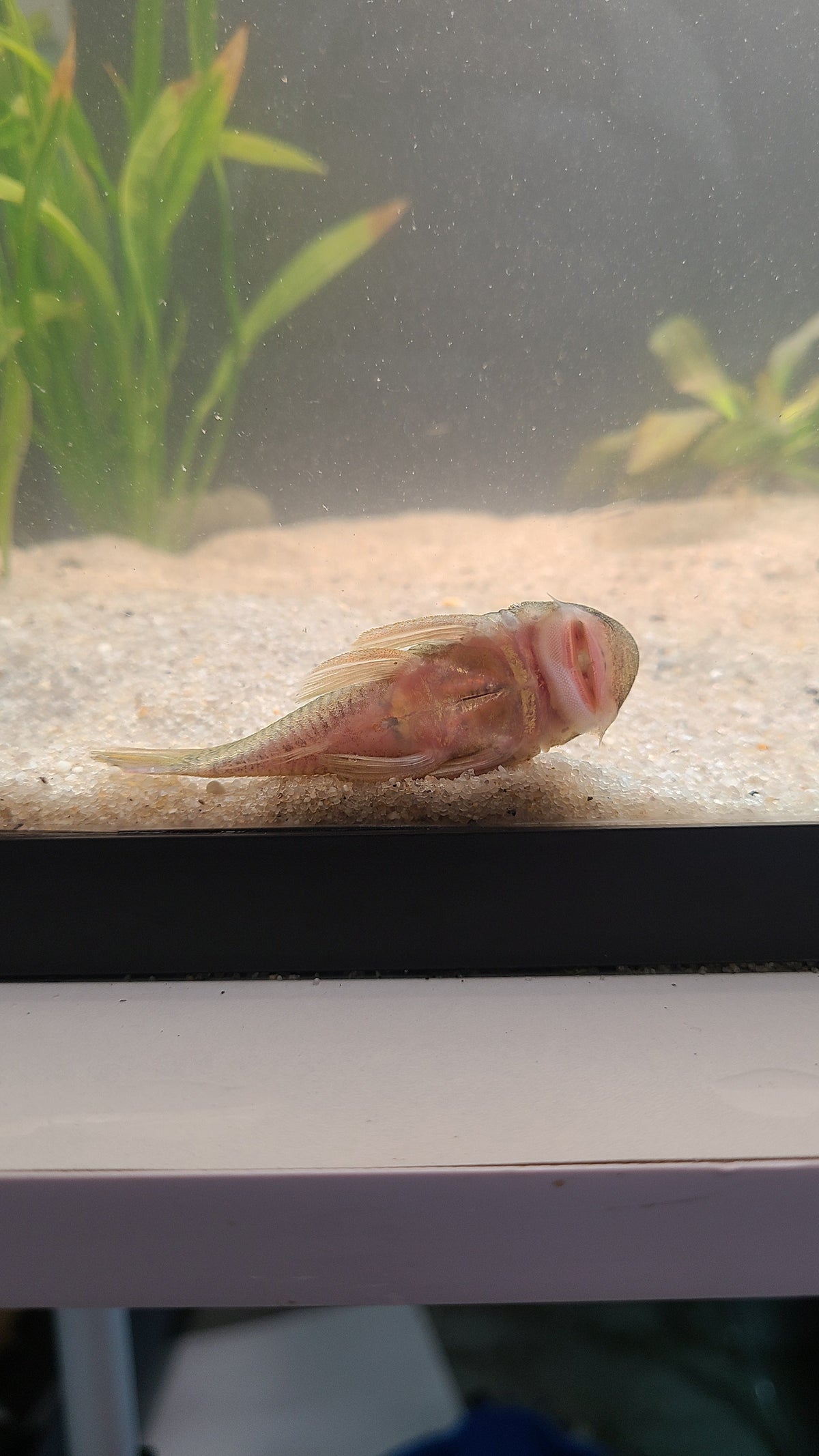
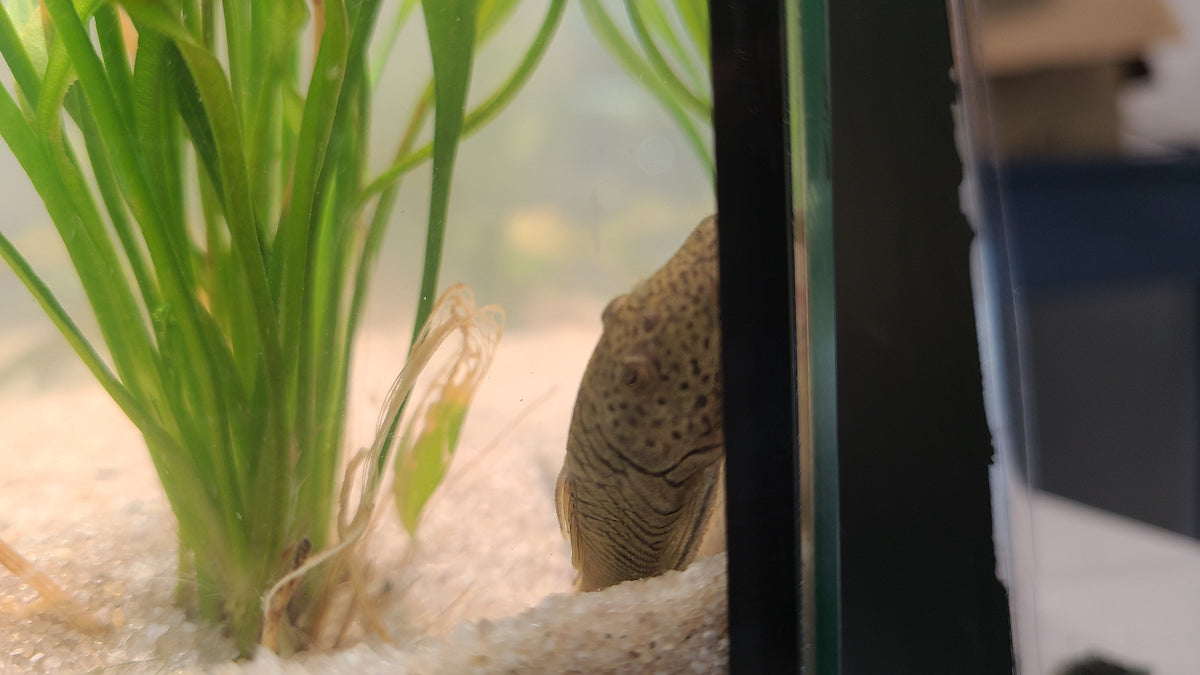
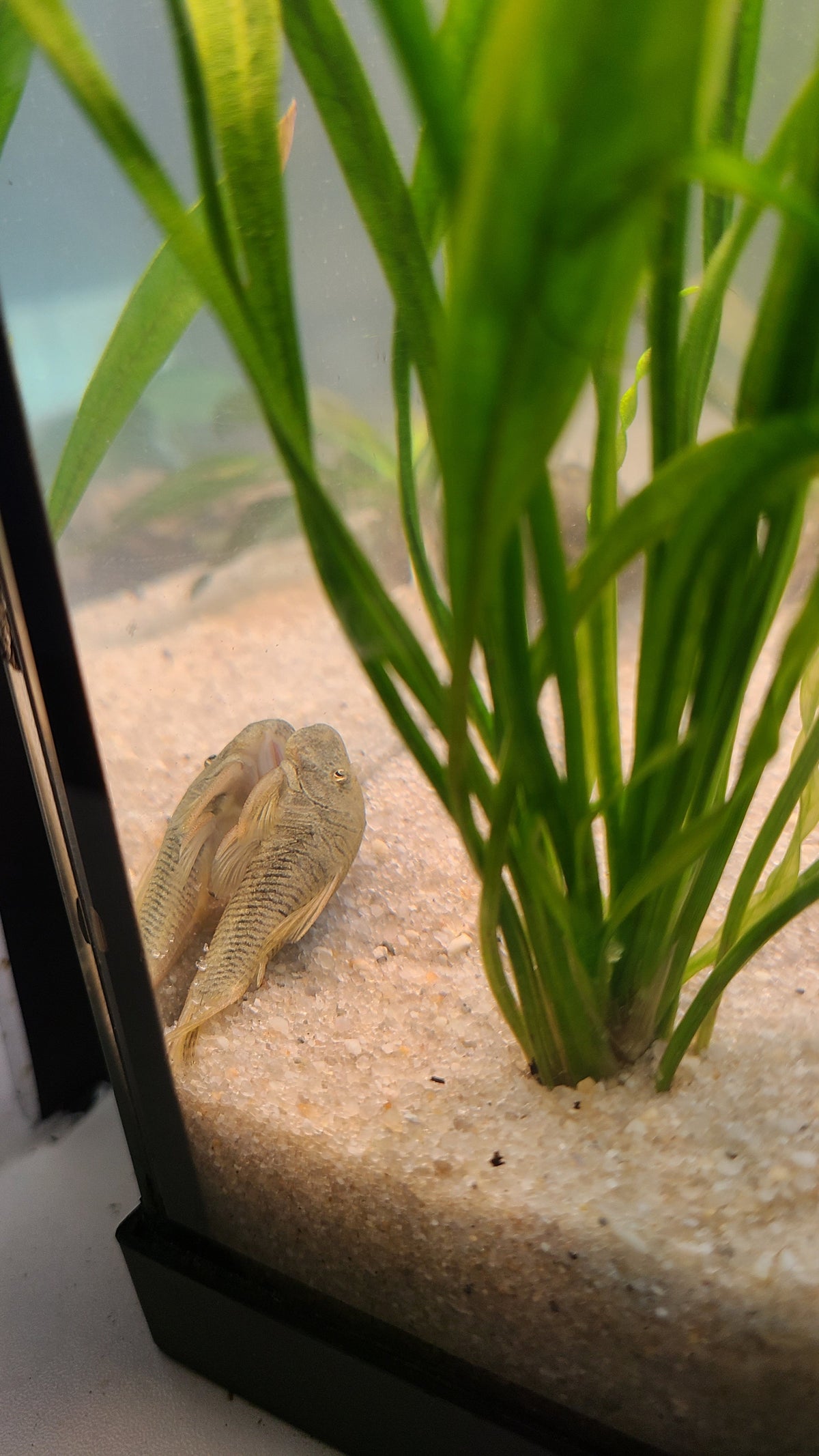
| Rubberlip Pleco (Chaetostoma sp.) – 1 Fish, Compact Algae Grazer ·
| Rubberlip Pleco (Chaetostoma sp.) – 1 Fish, Compact Algae Grazer ·
Couldn't load pickup availability
Its place in your tank: Bottom and glass algae grazer for a tank with good flow.
A pleco that grazes algae and stays small
The rubberlip pleco is a small suckermouth catfish from the Chaetostoma genus. It comes from fast, rocky streams in South America. It spends the day scraping algae and biofilm off wood, rock, glass and leaves. It tops out around 4 to 5 inches, so it fits tanks where a common pleco would outgrow everything.
The problem
▪ Rubberlips are often put in a warm, still, brand-new tank with nothing to graze. They come from cool, oxygen-rich streams and live on biofilm. In warm water with poor flow and bare surfaces, they starve or suffocate quietly.
How it fits the Father Fish Method
Father Fish has kept fish for more than 70 years, and his method has helped thousands of aquarists build tanks that run on biology instead of bottles. A layer of living soil (Aqua Preta Complete Substrate) sits under a sand cap, the tank is planted heavily from day one, and the plants, soil and tiny life in them keep the water balanced without chemicals. A mature, planted tank coats every stone, piece of wood and leaf with biofilm and soft algae, so this pleco can graze all day.
Your plan
- Get the tank ready. Use a tank of 30 gallons or more that has been running at least 6 to 8 weeks, with smooth rocks and driftwood well coated in growth. Keep it on the cool side (70 to 76°F) with strong surface movement or an air stone for oxygen. Good tankmates are peaceful fish that like cooler water, such as danios, white clouds and hillstream loaches.
- Acclimate slowly. Keep the lights off. Float the bag, then add small amounts of tank water every few minutes, or drip acclimate, over 30 to 60 minutes. Net the fish into the tank. Never pour bag water into your aquarium.
- Keep it thriving. Feed algae wafers or blanched zucchini a few times a week if the glass and rocks start to look bare. Keep the water moving, and avoid running the tank warm in summer.
What you get
- 1 rubberlip pleco (Chaetostoma sp.)
Care at a glance
- Scientific name: Chaetostoma sp. (often sold as Chaetostoma formosae, L444)
- Adult size: 4 to 5 inches
- Minimum tank: 30 gallons
- Temperature: 70 to 77°F
- pH: 6.5 to 7.5
- Temperament: Peaceful with other fish; can be territorial with other plecos
- Group size: 1 per tank unless the tank is large (55 gallons or more for two)
- Diet: Herbivore-leaning omnivore: algae, biofilm, algae wafers, vegetables
- Swims in: Bottom and on surfaces
- • Difficulty: Moderate (needs cool, oxygen-rich water)
Why it matters
Kept warm and still, this fish fades away. Kept cool, with flowing water and a mature tank to graze, it is a long-lived, hard-working algae grazer that stays a manageable size.
FAQ
- Will it eat my plants? No. It grazes algae and biofilm off leaves but does not eat healthy plants.
- Is it shrimp-safe? Yes, generally. · It may compete with shrimp for algae wafers.
- Can I keep it with a bristlenose? In a larger tank with plenty of wood and caves, often yes. In smaller tanks, plecos may squabble over territory.
- Why is my rubberlip breathing fast? Usually the water is too warm or low in oxygen. Add surface movement or an air stone and cool the tank.
Shipping and live arrival guarantee
Live fish ship UPS 2nd Day Air, Monday to Wednesday only, so they never sit in a depot over a weekend. We may hold an order for up to a week so the fish are fully settled before they travel. If a fish arrives dead, email us clear photos of it in the unopened bag within 2 hours of delivery and we will make it right.
Share